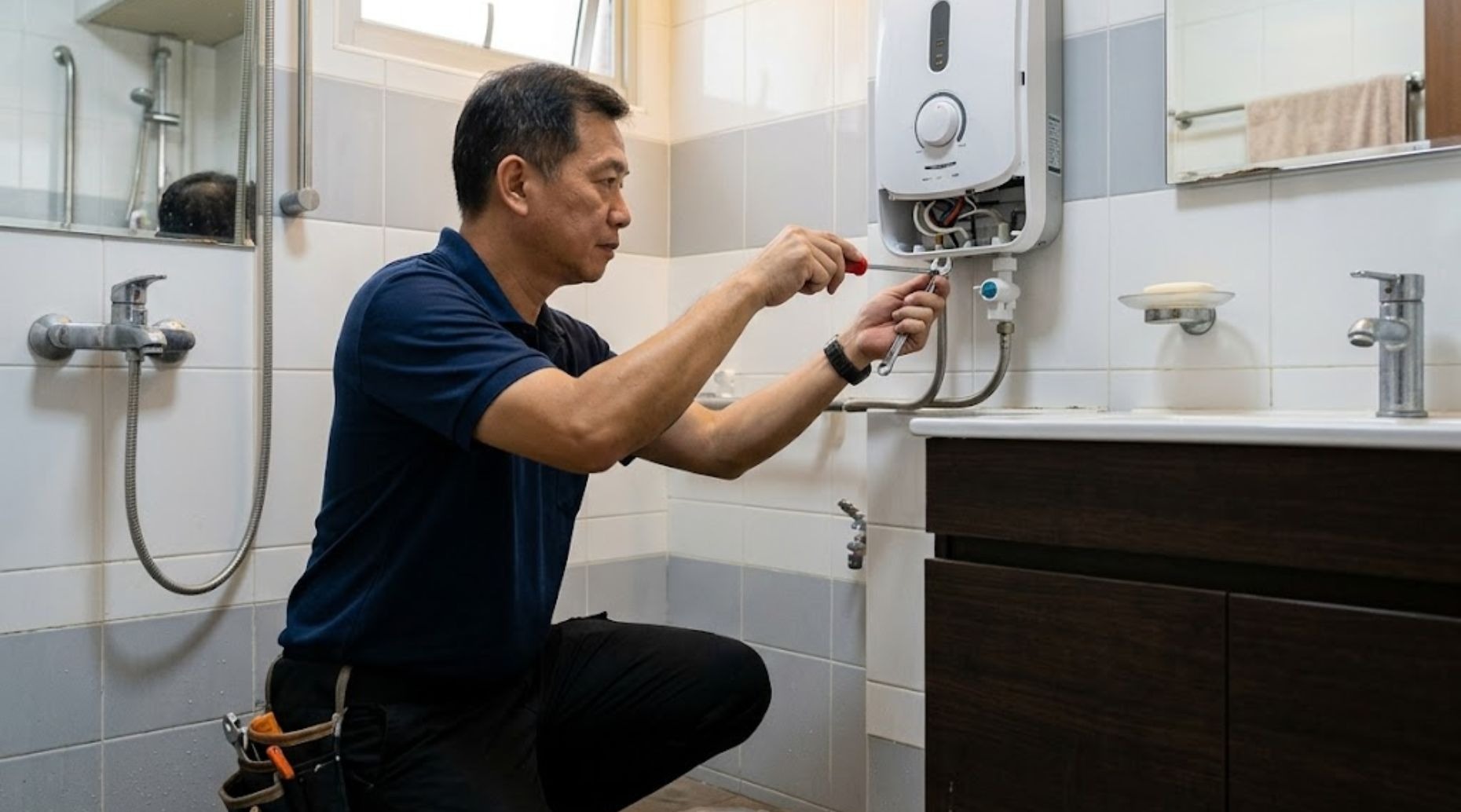
Water heaters provide hot water for daily tasks, but they require timely attention when problems arise. This article explains the common warning signs of faults, the main types of water heaters used in Singapore, and why hiring a licensed handyman matters for installation and maintenance, including access to Handyman services Singapore. It also outlines typical costs and practical maintenance steps to extend service life so your system remains safe and efficient.
What Are the Common Signs You Need Water Heater Repair?
Detecting problems early helps maintain a reliable hot water supply. The most common indicators are leaks, erratic water temperature, and unusual noises from the unit.
- Leaking Water: Puddles or moisture around the base of the heater can signal a leak, which may lead to more significant damage if not addressed promptly.
- Inconsistent Water Temperature: If your hot water fluctuates between hot and cold, it may indicate a malfunctioning thermostat or heating element.
- Unusual Noises: Sounds such as popping, rumbling, or hissing can suggest sediment buildup or other internal issues.
How to Identify Water Heater Malfunctions and Troubleshooting Tips
Start with simple checks before calling a technician. Inspect for visible leaks, verify thermostat settings, and consider flushing the tank if performance is affected by sediment.
- Check for Leaks: Inspect the heater and surrounding area for any signs of water accumulation.
- Inspect the Thermostat: Ensure the thermostat is set to the desired temperature and functioning correctly.
- Look for Sediment Buildup: Flushing the tank periodically can help prevent sediment from affecting performance.
When Does Emergency Water Heater Repair Become Necessary?
Some faults require immediate professional attention. Call a licensed handyman if you lose hot water completely, observe significant leaks, or detect electrical faults such as tripped breakers or burning smells.
- Complete Loss of Hot Water: If your water heater stops producing hot water entirely, it may indicate a severe issue.
- Visible Leaks: Any significant water leakage can lead to water damage and should be addressed immediately.
- Electrical Issues: If you notice tripped circuit breakers or burning smells, it’s essential to call a licensed plumber to prevent hazards.
What Are the Types of Water Heaters and Installation Options in Singapore?
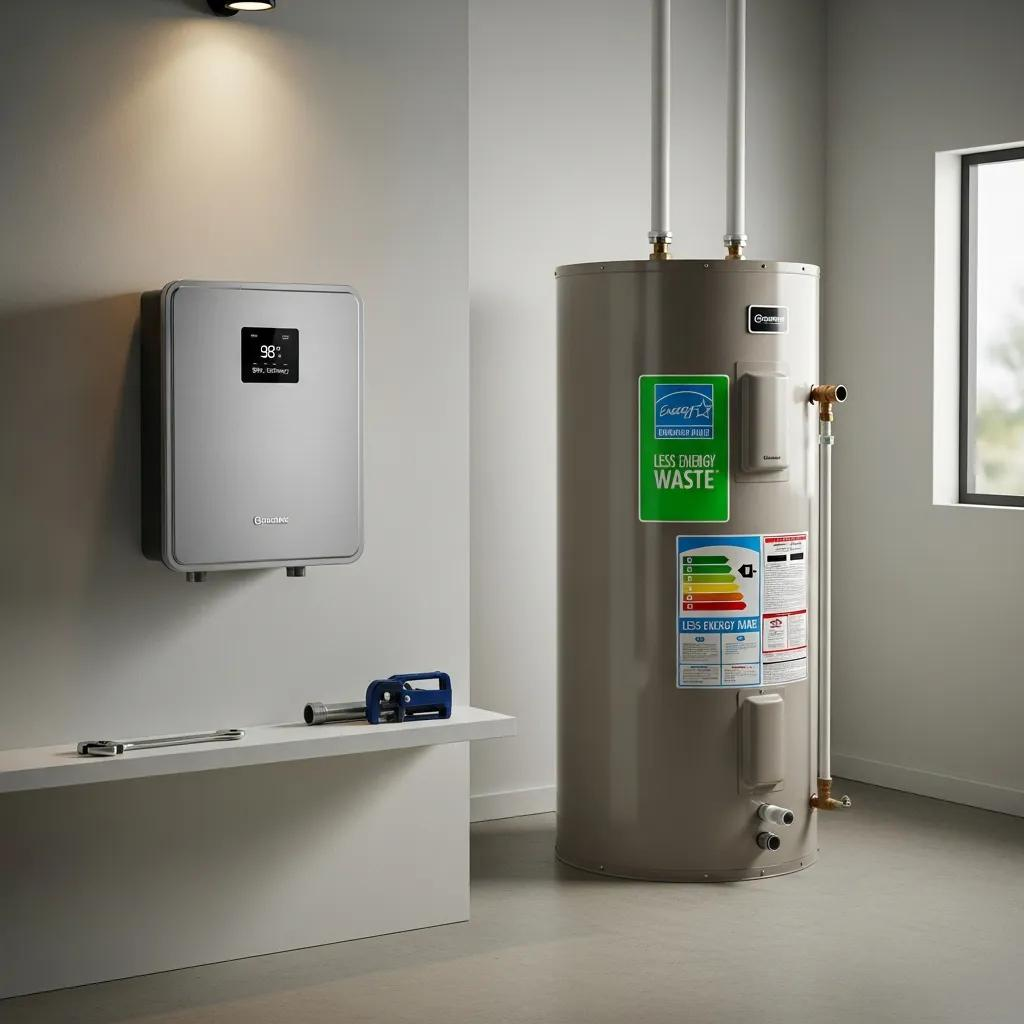
Homeowners in Singapore commonly choose between tankless and storage systems. Each option offers distinct benefits for space, energy use, and household demand.
- Tankless Water Heaters: These heaters provide hot water on demand, eliminating the need for a storage tank. They are energy-efficient and space-saving.
- Storage Water Heaters: These traditional heaters store a specific amount of hot water in a tank, making them suitable for households with high hot water demand.
Differences Between Tankless and Storage Water Heaters
Compare models on space needs, upfront cost, and ongoing energy use. Tankless units save space and often lower energy bills over time, while storage tanks suit higher peak demand but occupy more room.
- Space Requirements: Tankless models are compact and can be installed in smaller spaces, while storage heaters require more room for the tank.
- Cost Differences: While tankless heaters typically have a higher upfront cost, they can save money on energy bills over time.
- Energy Efficiency: Tankless heaters are generally more energy-efficient, as they only heat water when needed.
Choosing the Right Water Heater Capacity and Model for Your Needs
Select a model based on household size, peak usage patterns, and energy-efficiency ratings so that the system delivers the hot water you need while containing running costs.
- Household Size: Larger families may require a higher capacity storage heater or multiple tankless units.
- Usage Patterns: Assess your hot water usage during peak times to determine the best model.
- Energy Efficiency Ratings: Look for models with high energy efficiency ratings to save on utility bills.
Consider total cost of ownership when choosing a heater; higher-efficiency models often cost more initially but can reduce energy costs over the life of the unit.
Choosing Efficient Residential Water Heaters: Types, Installation & Cost Factors
There are efficient water heating options for most fuel types, including electric and gas as well as propane, solar, and fuel oil. The best choice for a household depends on factors such as average daily hot water use, draw patterns, the hot water distribution system, installation constraints (for example, space, electrical service, or venting needs), and fuel availability and cost. More efficient water heaters generally have higher upfront costs, but energy savings can offset that initial investment over time.
Impacts of water quality on residential water heating equipment, 2013
Why Should You Choose a Licensed Plumber or Professional Handyman for Water Heater Services?
Engaging a licensed plumber or handyman ensures correct, code-compliant installation and reduces safety risks. Professional technicians diagnose faults efficiently and help avoid costly repeat repairs.
- Expertise and Experience: Licensed professionals have the training to diagnose and repair issues effectively.
- Safety Considerations: Water heaters involve electrical and plumbing systems that can pose risks if not handled properly.
- Long-term Cost Savings: Investing in professional services can prevent future repairs and extend the lifespan of your water heater.
Risks and Safety Concerns of DIY Water Heater Maintenance and Installation
DIY work can increase the risk of injury, void warranties, and result in code violations. Electrical and plumbing errors may cause further damage or safety hazards.
- Risk of Injury: Handling electrical components and heavy tanks can result in accidents.
- Potential for Further Damage: Incorrect repairs may exacerbate existing issues, leading to more significant problems.
- Legal Implications: In some cases, improper installation can violate local building codes, resulting in fines.
Benefits of Hiring Singapore Handyman for Reliable and Affordable Plumbing Services
Singapore Handyman provides prompt responses, competitive pricing, and a full range of plumbing services from installation to maintenance, giving homeowners a single reliable point of contact.
- Quick Response Times: They are available to address urgent plumbing issues promptly.
- Affordable Pricing: Their services are competitively priced, ensuring value for money.
- Comprehensive Service Offerings: From installation to maintenance, they cover all aspects of plumbing services.
How Much Does Water Heater Repair and Installation Cost in Singapore?
Service costs vary by system type, labour requirements, and the complexity of the job. Understanding the typical price ranges helps with budgeting and comparing quotes.
Transparent Pricing and Service Packages Offered by Licensed Professionals
| Service | Price | Description |
| Water Heater Installation | $300 – $600 | Includes installation of new units and necessary fittings. |
| Emergency Repair | $150 – $400 | Covers urgent repairs for malfunctioning heaters. |
| Routine Maintenance | $100 – $200 | Regular servicing to ensure optimal performance. |
The table sets out typical service categories and their price ranges so you can compare options and plan expenditure.
How to Book Water Heater Repair or Installation Services with Singapore Handyman
Booking with Singapore Handyman is simple: contact them by phone or via the website to request a quote and schedule an appointment.
- Contact Methods: Reach out via phone or their website to request a quote.
- Booking Platform Overview: Their online platform allows for easy scheduling of appointments.
- Expected Response Times: Typically, you can expect a response within 24 hours for service requests.
What Are Essential Water Heater Maintenance Tips to Extend System Lifespan?
Regular, scheduled maintenance preserves efficiency and reduces the risk of unexpected failures. Key actions include annual servicing, tank flushing, and checking the anode rod.
- Regular Servicing: Schedule professional maintenance at least once a year to keep your system in top condition.
- Flushing the Tank: Periodically flushing the tank helps remove sediment buildup that can affect efficiency.
- Checking the Anode Rod: Inspecting and replacing the anode rod can prevent corrosion and extend the lifespan of your heater.
Regular Servicing Frequency and Professional Maintenance Recommendations
For most households, annual professional servicing is recommended. Arrange an earlier inspection if you hear odd noises or experience temperature fluctuations to avoid larger faults.
- Recommended Service Intervals: Annual servicing is ideal for most households.
- Signs That Servicing Is Needed: If you notice unusual noises or fluctuating temperatures, it may be time for a check-up.
- Professional vs. DIY Maintenance: While some tasks can be done by homeowners, professional servicing ensures thorough inspections and repairs.
Simple Troubleshooting and Safety Tips for Homeowners
Follow the manufacturer’s manual for basic troubleshooting and always isolate power and water before any inspection. For persistent or unclear faults, engage a licensed handyman.
- Basic Troubleshooting Steps: Familiarize yourself with the heater’s manual for troubleshooting common issues.
- Safety Precautions: Always turn off power and water supply before performing any maintenance.
- If you encounter persistent issues, it’s best to consult a licensed handyman.
Frequently Asked Questions
What should I do if my water heater is leaking?
If the heater is leaking, turn off the power and shut off the water supply immediately to limit damage. Inspect the area for visible sources of the leak. If the leak is substantial or the origin is unclear, contact a licensed handyman to assess and repair the unit promptly.
How can I improve the energy efficiency of my water heater?
Improve efficiency by insulating the heater and the first few feet of pipework and setting the thermostat to about 120°F (49°C). Maintain the unit by flushing the tank to remove sediment. If hot water demand is frequent, consider a tankless system for on-demand heating and lower running costs.
What are the benefits of tankless water heaters over traditional models?
Tankless heaters supply hot water on demand, reduce standby energy loss, and occupy less space. This can lower energy use and improve convenience during peak times. Note that tankless units commonly require a higher initial investment, so assess long-term needs before choosing.
How often should I schedule maintenance for my water heater?
Arrange professional maintenance at least once a year. During service, a technician will inspect components, flush the tank if required, and check items such as the anode rod. Schedule earlier maintenance if you observe noises or temperature changes.
What are the signs that my water heater needs to be replaced?
Consider replacement if the unit is 10–15 years old, requires frequent repairs, delivers inconsistent temperatures, produces rust-coloured water, or shows significant corrosion or leaks. Have a licensed handyman evaluate whether repair or replacement is the most cost‑effective option.
Can I install a water heater myself, or should I hire a professional?
Installation involves plumbing and electrical connections that carry safety and compliance risks. Hiring a licensed professional ensures proper installation, adherence to local codes, and safer operation. Professional installation also helps prevent future issues and protect warranties.
Conclusion
Recognising repair signs, choosing the correct heater type, and scheduling regular maintenance will keep your hot water system reliable and efficient. Hiring a licensed handyman ensures safe, code‑compliant work and can reduce long-term costs. Contact a professional to assess your needs and arrange installation or repair services to maintain a comfortable home.
0 Comments