
A fresh coat of paint can make an HDB flat feel properly maintained again. But professional painting services are not just about choosing a colour and rolling it onto the wall. In Singapore, the difference is usually hidden in the preparation: treating damp patches before they spread, repairing hairline cracks around concrete walls, protecting built-in carpentry, and leaving your home clean enough to use that same day.
A cheap quote can look attractive until the painter starts charging extra for patching, moving furniture, mould treatment, or additional coats. A proper painting job starts with a clear look at the actual condition of the unit, then gives you a scope that makes sense for your budget and timeline.
What professional painting services should cover
For a lived-in HDB flat, Condo unit, landed home, or office, painting should solve visible wear without creating a bigger mess. Walls in Singapore face constant humidity, condensation from air-conditioning, cooking residue, shoe scuffs, and occasional water staining from leaks. Simply painting over these marks may look acceptable for a few weeks, then the problem returns through the new finish.
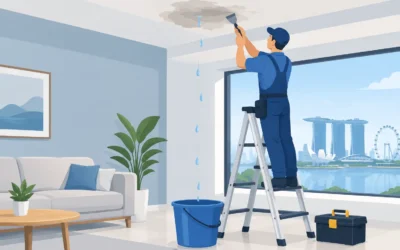
A professional painter should first identify whether a mark is cosmetic or a sign of an active issue. Yellow-brown staining near a toilet ceiling, for example, may point to a pipe leak from the unit above. Bubbling paint below a window could be rainwater ingress. Mould behind a wardrobe may be caused by poor airflow, a cold air-conditioned wall, or moisture trapped against the surface. Paint is the finishing work, not a substitute for repairing the source of water.
A sensible scope normally includes surface inspection, basic patching and sanding, protection for floors and fixed furniture, primer where needed, and the agreed number of paint coats. It should also state exactly which areas are included. Internal walls, ceilings, doors, metal grilles, kitchen cabinets and external walls require different materials and preparation. Never assume they are all covered by one vague line saying “whole house painting”.
Preparation decides whether the finish lasts
The most common cause of early peeling is weak preparation. Old loose paint must be scraped back. Small nail holes and dents need filling. Hairline cracks should be opened, filled and sanded rather than brushed over. Where there is mould, the wall needs suitable treatment and adequate drying before primer and paint are applied.
This matters especially in older HDB flats, where repeated repainting can leave thick layers that flake around window edges and high-touch corners. In newer BTO flats, owners may notice minor settlement cracks during the defects period. Some are cosmetic and can be patched neatly. Wider cracks, recurring stains, or cracks that appear with dampness need closer attention before painting begins.
For kitchen and bathroom areas, the painter must also protect fittings, kitchen tops, glass panels and existing carpentry. Overspray on laminate cabinet doors or paint drips inside track channels are not small matters. They can make an otherwise decent job look careless.
Choosing paint for Singapore humidity and daily use
The right paint depends on the room, wall condition and how the space is used. There is no need to pay for premium specifications everywhere if a durable washable finish is only needed in high-traffic zones. Equally, choosing the cheapest paint for a humid kitchen or a rental unit with frequent turnover can create more repainting work later.
Living rooms and bedrooms usually benefit from a low-odour interior paint with a finish that is easy to wipe. For homes with children, pets, or frequent guests, washable paint is worth considering around dining areas, corridors and feature walls. Kitchens need a finish that handles grease and regular cleaning. Bathrooms require attention to ventilation first, then a suitable coating for humid conditions.
Ceilings are often treated as an afterthought, yet water stains and mould marks show up there first. A ceiling with prior staining should not be painted until the leak has been fixed and the concrete has dried. If the issue comes from an upstairs unit, document it early and clarify whether the neighbour, MCST, landlord, or owner is responsible before spending money on repeated touch-ups.
Colour choice also has practical consequences. Very dark colours show touch-up marks more easily. Bright white can expose uneven patching under strong daylight. In a compact HDB kitchen or corridor, softer neutral shades often make the area feel cleaner without highlighting every imperfection. A painter should tell you this upfront, rather than agreeing to a difficult finish and leaving you disappointed later.
Getting a clear painting quote without surprise charges
A transparent quote is not necessarily the lowest one. It is the one that lets you compare like for like. Before confirming a job, ask what paint brand and range are included, how many coats will be applied, whether ceilings are included, and what happens if extra repairs are found after furniture is moved.
You should also clarify whether the price covers protection and clean-up, minor crack filling, mould treatment, moving light furniture, and disposal of used materials. These are the areas where vague quotations become expensive. “Transport”, “access”, and “urgent work” fees should not appear only after the work is finished.
For a Condo unit, check your MCST rules before booking. Some developments require renovation registration, deposits, lift protection, approved working hours, or a contractor’s insurance documents. Painting itself may be straightforward, but a crew turned away by management creates avoidable delay. In HDB estates, keep common corridors clear and follow any town council requirements for disposal and work conduct. The interior of your flat is generally the owner’s responsibility, while common-area issues and certain external elements may fall under the relevant managing body.
The fastest way to receive an accurate estimate is to send clear photos and short videos. Include wide shots of each room, close-ups of stains or cracks, ceiling height where relevant, and photos of fixed carpentry beside walls to be painted. Mention whether the unit is occupied, vacant, tenanted, or being handed over. This allows the painter to plan labour, protection and drying time properly instead of guessing.
When partial painting is the smarter option
Not every property needs a full repaint. If one bedroom has scuff marks, a tenant has moved out, or a leak repair has left a stained patch, targeted work may be more economical. The trade-off is colour matching. Existing paint fades over time, especially on walls exposed to sunlight, so a newly painted patch may still look different from the surrounding wall.
Partial painting works best when the original colour is known, the wall is in good condition, and the affected area has a natural stopping point such as a full wall, alcove or doorway. Repainting one entire wall is often cleaner than trying to blend a small repaired patch in the middle. A direct contractor should explain this before starting, not after a mismatched spot appears.
The same principle applies where dampness has affected nearby carpentry. If a kitchen sink cabinet has swollen or rotted from a leaking water tap or pipe, deal with the leak and damaged cabinet panels first. Painting around a wet cabinet base will not stop the wood from deteriorating. Fractional repair of only the affected cabinet carcass, plinth or panel can often save substantial cost compared with replacing the entire kitchen.
How to prepare your home before painters arrive
Good preparation from the owner keeps the work faster and reduces risk. Remove fragile items, loose decorations and valuables from walls, shelves and display cabinets. Clear small furniture where possible, and let the painter know in advance about bulky items that cannot be moved.
Keep pets and young children away from the work zone. Although low-odour products reduce discomfort, paint still needs time to dry and rooms need ventilation. If you are staying in the home during the job, plan room by room so bedrooms, toilets and kitchen access are not all disrupted at once. For occupied homes, careful scheduling is often more valuable than rushing to finish everything in a single day.
If a wall has concealed electrical wiring, do not allow random drilling or removal of fixtures without checking first. Singapore homes commonly have solid concrete walls, and wiring routes are not always obvious. Painting around sockets, switches and mounted items requires care, particularly near a DB box or air-conditioning trunking.
Questions homeowners regularly ask
Can mould be painted over?
No. Surface mould should be treated and the moisture cause addressed first. If it returns quickly, investigate ventilation, condensation, an external wall issue, or a concealed leak rather than repeatedly repainting.
How long will a flat take to paint?
It depends on the unit size, wall repairs, number of coats, occupancy and drying conditions. A vacant unit with sound walls moves faster than an occupied home with furniture, active dampness and detailed touch-up requirements. The schedule should be confirmed before work starts.
Do I need to repaint after an upstairs leak?
Only after the leak is confirmed fixed and the affected concrete is dry. Painting too early can trap moisture and lead to peeling, blistering or renewed staining. Keep records and photographs if there is a question over responsibility.
Can a tenant arrange painting?
A tenant should obtain the landlord’s approval first, especially for colour changes or repair work after damage. For handover touch-ups, agree on the expected condition in writing to prevent a deposit dispute later.
Get the job scoped properly before paint touches the wall
If your walls are stained, cracked, mouldy, or simply overdue for a clean reset, send photos on WhatsApp to HRD Professional Handyman. Show the affected areas, your unit type, and any water damage or furniture constraints. You can get a fast, transparent quote with the work clearly explained before anyone arrives.
A good paint job should remove a daily irritation, not leave you chasing hidden charges or repainting the same wall six months later. Fix the cause, prepare the surface properly, and choose only the work your property genuinely needs.

0 Comments