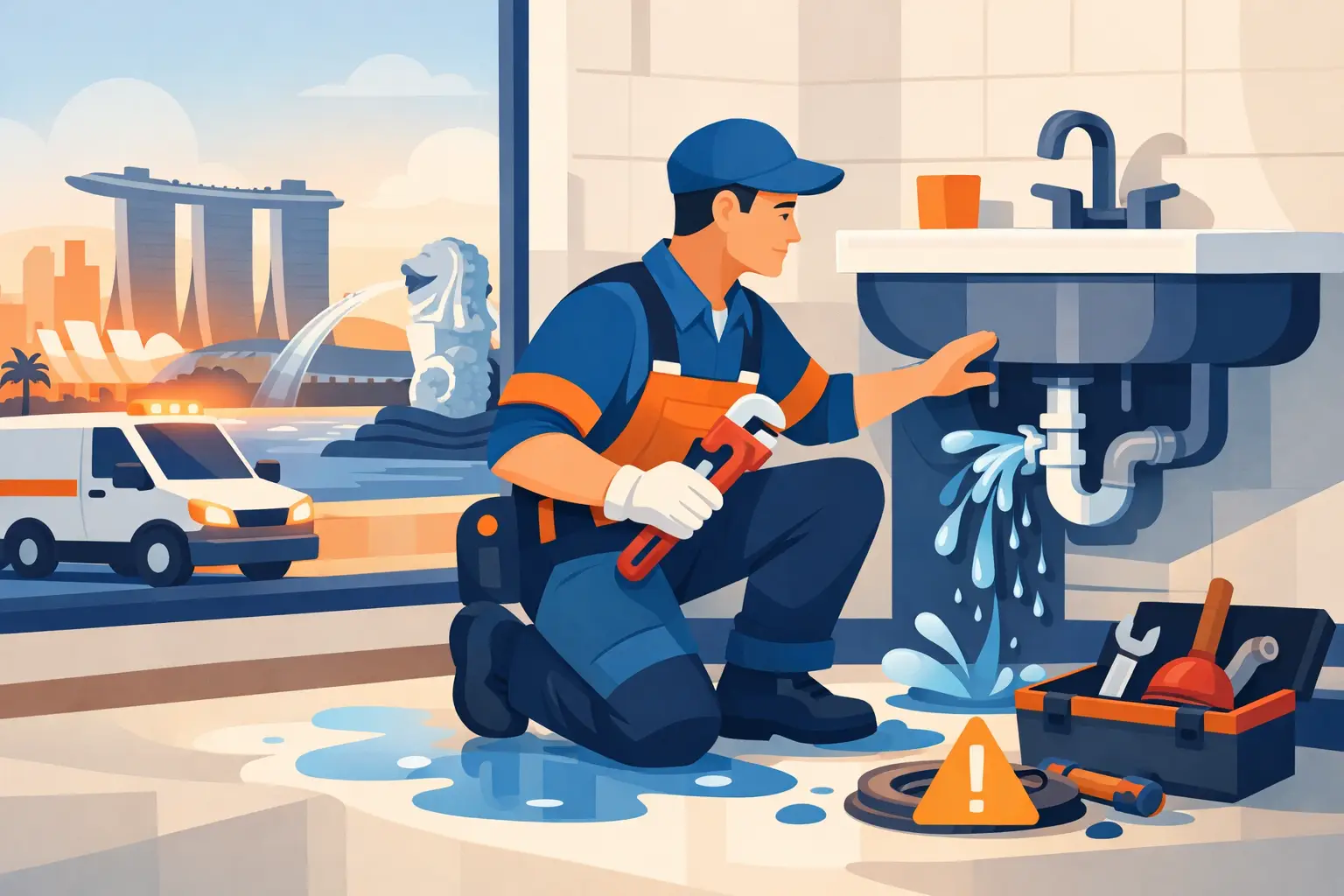
A pipe bursts under the kitchen sink at 10.30pm, water starts pooling under the cabinet, and suddenly the problem is no longer just plumbing. In many Singapore homes, an emergency plumber is the difference between a quick repair and swollen cabinet boards, damaged flooring, mould growth, and a much bigger bill by morning.
That is why speed matters, but so does judgement. Not every plumbing issue needs an immediate late-night call-out. Some do. If you know what counts as a real plumbing emergency, what to do in the first few minutes, and what to expect from a proper contractor, you can protect both your home and your wallet.
When you need an emergency plumber
The clearest sign is uncontrolled water. If water is flowing continuously from a burst pipe, a failed connection, a leaking water heater point, or a damaged water tap stop valve, do not wait. In an HDB flat or Condo unit, water spreads fast and can affect built-in carpentry, vinyl flooring, skirting, and even the neighbour below.
A badly choked toilet can also be an emergency, especially if it is overflowing or if it is the only toilet in the property. For families with young children, elderly parents, or tenants in a single-bathroom unit, that is not a problem to leave for the next available slot.
Then there are the quieter emergencies. A slow leak under the sink does not always look dramatic, but it can be expensive. In Singapore, kitchen sink base cabinets are one of the first places to rot because of trapped moisture, poor ventilation, and chipboard carcasses that do not tolerate long-term water exposure. By the time the smell appears or the laminate starts bubbling, the leak has often been there for weeks.
If water is already affecting wood panels, plinths, or internal cabinet sections, the plumbing fix is only half the job. The smart move is stopping the source quickly before the damage spreads to more carpentry than necessary.
What to do before the plumber arrives
First, isolate the water supply if you can do so safely. For a sink leak, shut the angle valve below the sink if it is accessible and not already seized. If that does not work, turn off the main water supply for the unit. In most HDB flats and Condo units, knowing where the main valve is before an emergency happens saves a lot of panic later.
Next, move anything that can absorb water. That includes floor mats, cleaning supplies, cardboard boxes, and items stored inside vanity units or kitchen cabinets. If water is near electrical points, extension cords, or appliances, switch off the relevant circuit if it is safe to do so. Water and electricity are not a trial-and-error situation.
Take clear photos and a short video. This helps the plumber assess the issue before arriving and gives you a record of the damage. It also matters if the leak has affected carpentry, paint, or adjacent units. For Condo owners, this can be useful when reporting to MCST management. For tenants, it gives the landlord a clear view of what happened.
Finally, contain the water as best you can. Use towels, pails, or a wet vacuum if available. The goal is simple – reduce spread, buy time, and prevent secondary damage.
Common emergency plumbing problems in Singapore homes
Kitchen sink leaks and cabinet damage
This is one of the most common call-outs because the leak is often hidden behind stored items or inside a dark cabinet base. In many homes, the pipe trap, flexible hose, bottle trap connection, or water tap feed line starts dripping slowly before it fails more seriously.
The plumbing part may be straightforward. The real cost often comes from ignored cabinet damage. Once the cabinet base swells or the side panels start turning soft, many homeowners are told to replace the whole kitchen. That is often unnecessary. If the damage is localised, affected panels or carcass sections can sometimes be replaced fractionally instead of tearing out the entire run.
Toilet chokes and overflow
A fully choked toilet is messy, disruptive, and can quickly become a hygiene issue. In older flats, the cause may be years of buildup or an unsuitable item flushed into the line. In newer BTO units, defects in fall, poor habits, or trapped objects can also trigger recurring problems.
If only one toilet is affected, the blockage may be local. If multiple sanitary points are slow at the same time, the issue may be deeper in the waste line. That distinction matters because it changes the repair approach and the urgency.
Burst pipes and failed joints
Burst or cracked pipes can happen because of age, corrosion, poor previous workmanship, or pressure stress at joints. Even a small split in an exposed pipe can release enough water to damage surrounding finishes fast.
In landed properties and older resale flats, some pipework may be more complex or partly concealed. In Condos, access and protection of common areas often need to be handled carefully to avoid further complaints or management issues.
Leaking water heaters and inlet points
A leak near the water heater can be misleading. Sometimes the heater itself is fine and the problem is the connecting hose, valve, or threaded joint. Sometimes the unit has failed internally. Either way, if water is running near electrical wiring or onto the bathroom floor, it should be treated as urgent.
Emergency plumber or can it wait till morning?
It depends on three things – active water flow, risk of property damage, and whether the sanitary point is still usable.
A dripping basin trap into a pail may be manageable for a few hours. A leaking pipe soaking your kitchen sink cabinet is not, because every hour can turn a simple plumbing repair into a carpentry problem. A toilet with a mild slow flush may wait. A toilet overflowing onto the bathroom floor in a one-toilet flat usually cannot.
The mistake many people make is waiting until the visible leak becomes serious. In Singapore’s humidity, trapped moisture does not need long to start damaging wood-based materials, silicone edges, or painted skirting. Fast action is often the cheapest action.
What a proper emergency plumbing service should be like
You should get a clear explanation of what is wrong, what can be done immediately, and what may need a follow-up. Not every emergency repair is a full permanent replacement on the spot. Sometimes the priority is isolating the failed section, stopping water ingress, and making the area safe first.
Pricing should be stated upfront as clearly as possible. If there are variables, they should be explained before work starts. Hidden transport charges, vague after-hours add-ons, and bait pricing are exactly what customers in Singapore are tired of.
A good contractor also understands local property realities. In HDB flats, there can be practical access limitations and questions about owner responsibility versus common services. In Condo developments, work timing, loading access, and MCST rules may affect how quickly things can be carried out. In older homes, solid wall layouts and previous renovation concealments can complicate pipe access. None of this should surprise an experienced local team.
Why the cheapest fix often becomes the expensive one
A rushed patch can stop a leak for the night and still leave the root cause behind. That is sometimes acceptable as a temporary measure, but it should be honest. If a joint is badly worn, if the choke is likely to recur, or if water has already damaged the cabinet base, you should be told plainly.
This matters especially around kitchens and vanity units. Homeowners are often quoted for full replacement when only the water-damaged portions actually need repair. On the other hand, some sections are too far gone to salvage. The right answer is not always the cheapest and not always the biggest job. It depends on the extent of water exposure, the material condition, and whether the surrounding structure is still sound.
That is where practical, transparent advice matters more than sales talk.
A fast local response saves more than just plumbing
An emergency plumber is not only there to stop water. The real value is preventing the chain reaction that follows – swollen cabinet panels, peeling laminate, musty smells, damaged paint, mould behind kickboards, and disruption to your home or office.
For landlords, speed protects the unit between tenancies and avoids larger reinstatement costs. For office managers, it reduces downtime and complaints. For homeowners, it means the problem is handled before it spreads into renovation-level expense.
If you are dealing with a leak, choke, overflow, or burst pipe in Singapore, do not waste time guessing from internet videos or waiting for the damage to get worse. Send clear photos and a short video on WhatsApp for a fast, transparent assessment and quote. If the leak has already affected your kitchen sink cabinet or built-in woodwork, mention that upfront so the plumbing issue and the damaged sections can be assessed together. One honest site diagnosis now can save you thousands in unnecessary replacement later.
When water starts moving where it should not, the best next step is the one that stops the damage today.
0 Comments