Essential Tools Every Handyman Should Have
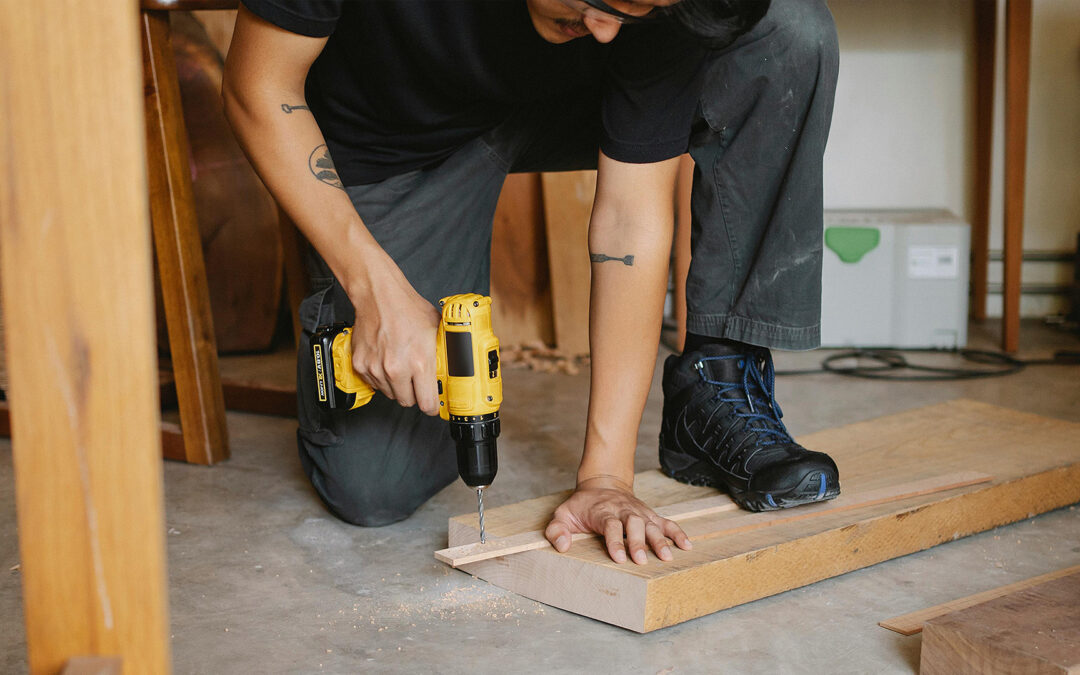
Having the right tools is crucial for any handyman to perform tasks efficiently and effectively. Essential tools include a reliable drill, a versatile screwdriver set, a measuring tape, and a sturdy ladder. These tools not only facilitate a variety of repairs and renovations but also ensure that jobs are completed safely and to a high standard.
For instance, a cordless drill allows for quick and easy installation of fixtures, while a good set of screwdrivers can handle different types of screws found in furniture assembly and electrical work. Investing in quality tools can significantly improve the quality of work and the speed at which tasks are completed, ultimately benefiting both the handyman and the client.
How to Choose the Right Handyman Service for Your Needs
Selecting the right handyman service involves assessing the specific needs of your project and matching them with the skill set of the handyman. It’s essential to consider factors such as the handyman's experience, customer reviews, and the range of services offered. This ensures that you hire someone who can effectively tackle the tasks at hand.
For example, if you need plumbing repairs, look for a handyman with expertise in that area rather than general repairs. Additionally, checking online reviews and asking for recommendations can provide insights into the reliability and quality of the service. A well-matched handyman can save you time and prevent potential issues during the renovation process.
Common Mistakes to Avoid When Hiring a Handyman
When hiring a handyman, there are several common pitfalls that homeowners should be aware of to avoid disappointment. One major mistake is failing to verify the handyman's credentials and insurance, which can lead to complications if accidents occur during the job. It’s also important not to rush the hiring process, as taking the time to find the right fit can save you from costly mistakes.
Another mistake is neglecting to discuss the project scope and budget upfront. Clear communication about expectations, timelines, and costs helps prevent misunderstandings and ensures that both parties are on the same page. Establishing a written agreement can also protect your interests and provide a reference point throughout the project.
Tips for Effective Communication with Your Handyman
Effective communication is key to a successful working relationship with your handyman. Start by clearly outlining your project requirements, preferences, and any specific concerns you may have. This helps the handyman understand your vision and tailor their approach accordingly, leading to better results.
Additionally, maintain open lines of communication throughout the project. Regular check-ins can help address any issues that arise and keep the project on track. Encourage your handyman to ask questions and provide updates, which fosters collaboration and ensures that the final outcome aligns with your expectations.