
A leaking kitchen sink cabinet or a faulty water tap can feel like a small job – until your Condo management asks for a work permit, contractor details and a deposit before anyone can enter. This MCST repair approval guide explains what usually needs approval, what can be repaired quickly, and how to avoid paying twice for reinstatement.
For most unit owners, the practical rule is simple: repair the problem early, but do not assume you can start work immediately just because it is inside your own unit. Your MCST may control contractor access, working hours, lift protection, noise, drilling and works that affect common property. Each development has its own by-laws, so the managing agent’s written requirements always take priority.
When do Condo repairs need MCST approval?
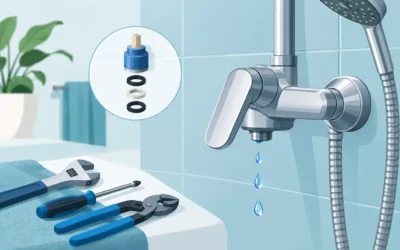
Minor repairs inside a unit may not need formal approval. Replacing a loose cabinet hinge, changing a light fitting, repairing a kitchen drawer runner or fixing a dripping water tap can often be handled without renovation paperwork. However, the contractor may still need to register at the guardhouse or comply with permitted working hours.
Approval is more likely where the job creates noise, brings materials through common areas, uses power tools, involves plumbing alterations, or affects walls, floors and ceilings. That includes hacking tiles, drilling into concrete walls, changing pipe routes, replacing a toilet bowl, installing a new air-conditioner trunking route, or carrying out carpentry works that require bulky delivery.
A repair can also require approval because of how it is done, not just what is being repaired. For example, replacing only the water-damaged base panel of a kitchen cabinet is a contained fractional repair. It may need little more than contractor registration and a short work window. Removing the entire kitchen cabinet run, hacking the kitchen top and re-routing pipes is renovation work, with much heavier paperwork and a higher risk of damage to lifts or common corridors.
This distinction matters. Do not let a contractor turn a localised repair into a full overhaul without explaining the cost, downtime and MCST implications.
Start with the real cause, not the visible damage
Singapore’s humidity and hidden leaks are unforgiving to chipboard cabinets. A swollen cabinet plinth, soft carcass panel or mouldy baseboard beneath the sink is usually the result of water entering repeatedly – from the bottle trap, flexible hose, water tap connection, sink seal or washing machine point.
Before submitting a repair request, identify whether the issue is contained within your unit or may involve common property. A leak from your own sink trap is normally your responsibility. Water staining on a ceiling may originate from the unit above, a common pipe stack, an external wall or a concealed waterproofing failure. In that situation, do not start hacking your ceiling simply to hide the stain. Photograph the damage, inform management promptly and ask for the correct investigation process.
The same applies to electrical faults. A tripped circuit caused by an appliance or a loose socket in your unit is generally a unit repair. A problem involving the electrical riser, common supply or meter area requires management involvement. Clear photos and a concise description help the managing agent direct the case faster.
MCST repair approval guide: the documents to prepare
Most Condo management offices will ask for a version of the same information, although the forms and deposit amounts differ. Get the requirements before booking the works, especially if you need an urgent repair before a tenant moves in or before water damage spreads.
Prepare the contractor’s company details, scope of work, proposed date and working hours, and a short method statement if drilling, plumbing changes or heavier tools are involved. Management may request proof of public liability insurance, worker identification, indemnity forms, lift padding arrangements and a refundable renovation deposit.
Keep the scope specific. “Repair water-damaged sink cabinet base panel and replace leaking bottle trap” is far better than “kitchen works”. A specific scope reassures the MCST that there is no hacking, no structural alteration and no unnecessary disruption. It also protects you if the contractor later suggests extra work that was not approved.
For a small repair, ask the managing agent whether an e-mail confirmation is sufficient or whether a formal permit is compulsory. Some Condos are practical about short, low-noise works. Others require every contractor to be pre-registered. Do not rely on a verbal answer from security alone.
Ask these questions before confirming the job
Ask whether the work needs a permit, whether there is a contractor registration fee, and whether a deposit applies. Confirm the permitted hours, delivery rules, lift booking requirements and whether parking is available for a service vehicle.
Also ask whether drilling is allowed. Many units have solid concrete walls, and the location matters. Drilling into a shared wall, façade-facing wall, structural element or an area with concealed services can be restricted. Never assume that a simple wall-mounted cabinet, TV bracket or bathroom accessory can be fixed anywhere without checks.
What your contractor should state clearly
A proper repair quote should show exactly what is being fixed, the materials used, labour charges and any access-related costs. “From $X” pricing is not enough when the job involves damaged carpentry, concealed leaks or MCST restrictions.
For kitchen cabinet water damage, look for a quote that distinguishes between replacing the affected panel, plinth or base section and replacing the entire cabinet. In many HDB flats and Condo units, the carcass can be repaired in sections if the damage is localised and the cabinet remains structurally sound. That can save a significant amount compared with removing a functioning kitchen.
There are limits. If water has travelled through multiple carcass panels, the kitchen top has failed, mould is widespread, or the cabinet has become unstable, a larger replacement may be the honest recommendation. The key is to see the evidence and cost difference before agreeing.
Your contractor should also state whether the repair includes stopping the leak. Replacing swollen wood without repairing the faulty water connection is wasted money. For a lasting result, the water source must be tested, repaired and dried before new carpentry is fitted.
Avoid the common approval mistakes
The most expensive mistake is starting work first and asking permission later. Management may stop the job, withhold access, fine the unit owner or require reinstatement if the works breach by-laws. This is particularly painful when a tenant is already living in the unit or a property handover is near.
Another common mistake is booking a general renovation team for a one-day repair. Large teams often work around renovation schedules, need longer access windows and may charge for mobilisation, transport or minimum project value. For a leaking cabinet base or loose door, a targeted repair team is usually faster and less disruptive.
Do not understate the job either. If pipe routing, hacking or a toilet replacement is required, declare it honestly. A vague scope may get approved quickly, but it can create trouble when the actual work differs from the permit.
Finally, save the approval, photos before works, invoice and any workmanship guarantee. If there is a later dispute about damage, water seepage or deposit release, these records matter.
Emergency repairs: act first, document everything
Active water leaks and electrical hazards need immediate action. Shut off the local water valve where possible, switch off power to the affected circuit if it is safe to do so, and alert the management office or security team. Take photos and videos before anything is dismantled.
MCSTs generally understand that emergency mitigation cannot wait for normal office hours. Still, call or write to management as soon as possible, explain what happened and keep the repair limited to making the area safe. A contractor should not use an emergency leak as an excuse to begin unrelated renovation work.
If water is flowing into a neighbour’s unit or a common corridor, speed matters more than paperwork in that first moment. Once the leak is contained, follow the MCST’s reporting and investigation process before permanent reinstatement.
Get the repair cleared without wasting a week
The quickest route is a clear diagnosis, a tightly written scope and upfront communication with management. Send the managing agent photos of the damaged area, explain whether there will be drilling or hacking, and provide the contractor details in one message. That is far more effective than submitting a broad request with no dates or technical details.
For localised kitchen cabinet rot, leaking sink plumbing, loose fixtures or other contained unit repairs, HRD Professional Handyman can assess the photos first and provide a transparent scope for MCST submission. Send clear WhatsApp photos of the damage, your Condo’s requirements if you have them, and a wide shot showing access around the work area. You will know whether a fractional repair can save your cabinet – and your budget – before the problem gets worse.
0 Comments